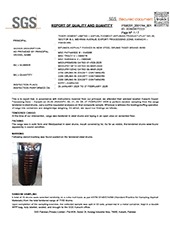
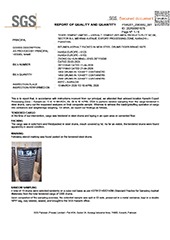
Viscosity Grade AR-1000 Bitumen
Viscosity Grade AR-1000 Bitumen Exporter and Supplier
AR-1000 Bitumen is an asphalt binder classified under the AR viscosity grading system, which is distinct from AC viscosity grades, VG viscosity grades, penetration grading, and the Superpave Performance Grade (PG) system. AR grading classifies asphalt binders according to viscosity measured after laboratory aging, providing information about binder properties after simulated short-term aging rather than only at the fresh binder stage. Buyers should confirm the applicable standard, specific compliance requirements, and test data against their project specification before ordering.
AR-1000 is a lower-viscosity grade within the AR classification range and may be considered for asphalt applications where its viscosity characteristics and other specified properties meet the pavement design requirements. The suitability of AR-1000 depends on factors including climate, traffic loading, asphalt mixture design, and construction conditions rather than the grade alone.
AR-1000 Bitumen specifications and technical properties, including viscosity, penetration, flash point, ductility, and solubility, depend on the applicable standard, so buyers should confirm exact values through the relevant test documentation. This grade may be considered for road construction, highway construction, asphalt paving, and asphalt mixture production, as well as other infrastructure projects where the applicable specification calls for an AR viscosity grade. Selecting AR-1000 or another asphalt binder grade requires evaluating the project specification, climate, traffic loading, pavement design, and mixture requirements.
Turkey Bitumen supplies Viscosity Grade AR-1000 Bitumen to international importers, asphalt plants, contractors, and procurement teams, supporting export orders around project-specific requirements and technical documentation. Buyers are welcome to contact us for specifications, technical information, and a quotation.
Related AR Grades
Buyers can also explore other AR viscosity grades according to their project requirements:
AR-2000 Bitumen, AR-4000 Bitumen, AR-8000 Bitumen and AR-16000 Bitumen
Viscosity Grade Bitumen AR-1000 Specifications
| Viscosity Grade Bitumen AR-1000 Specifications | ||
| Property | Units | Specification |
| Viscosity, 140°F (60°C) | p | 1000± 200 |
| Viscosity, 275°F (135°C), Min | cSt | 140 |
| Penetration, 77°F (25°C), 100g, 5sec | 0.1 MM | 65 |
| Penetration, 77°F (25°C), 100g, 5sec, Min | 0.1 MM | —- |
| Ductility at 25°C, cm, min | CM | 100 |
| Tests on original asphalt | ||
| Flash point, °C, min | °C | 205 |
| Solubility in Trichloroethylene, %, min | %Wt | 99 |
Other Bitumen Products
Viscosity Grade AR-1000 Bitumen Exporter and Supplier
Viscosity Grade AR-1000 Bitumen is an asphalt binder classified within the AR (Aged Residue) viscosity grading system, used in road and asphalt paving applications where its viscosity characteristics meet project requirements.
The "AR-1000" designation refers to a specific grade within the AR viscosity grading system, which classifies binders based on viscosity measured after simulated aging conditions.
The AR system grades asphalt binders based on the viscosity of the asphalt residue after it has undergone simulated aging, providing insight into binder behavior over the pavement's service life.
AC and VG grades are typically based on the viscosity of the original, unaged asphalt, while AR grades are based on viscosity measured after simulated aging, reflecting longer-term binder behavior.
Penetration grading, such as 60/70, is based on a penetration test at a fixed temperature, while AR viscosity grading classifies bitumen according to its aged viscosity, offering a different technical basis.
AR-1000 Bitumen is often considered for road construction, highway construction, asphalt paving, and asphalt mixture production, particularly in projects involving repeated traffic loading.
AR-1000 may be considered for roads exposed to repeated traffic loading where its viscosity and flexibility characteristics align with the pavement design, subject to project specific evaluation.
Key parameters generally include viscosity, penetration, flash point, ductility, and solubility. These vary by applicable standard, so buyers should confirm exact figures through the supplier's test certificate for their order.
Buyers should review applicable technical specifications, required test documentation, intended application and climate, packaging format, and shipping logistics before finalizing a purchase order.
Buyers can contact Turkey Bitumen with their required quantity, destination port, and project details to receive a quotation along with relevant technical information for Viscosity Grade AR-1000 Bitumen.